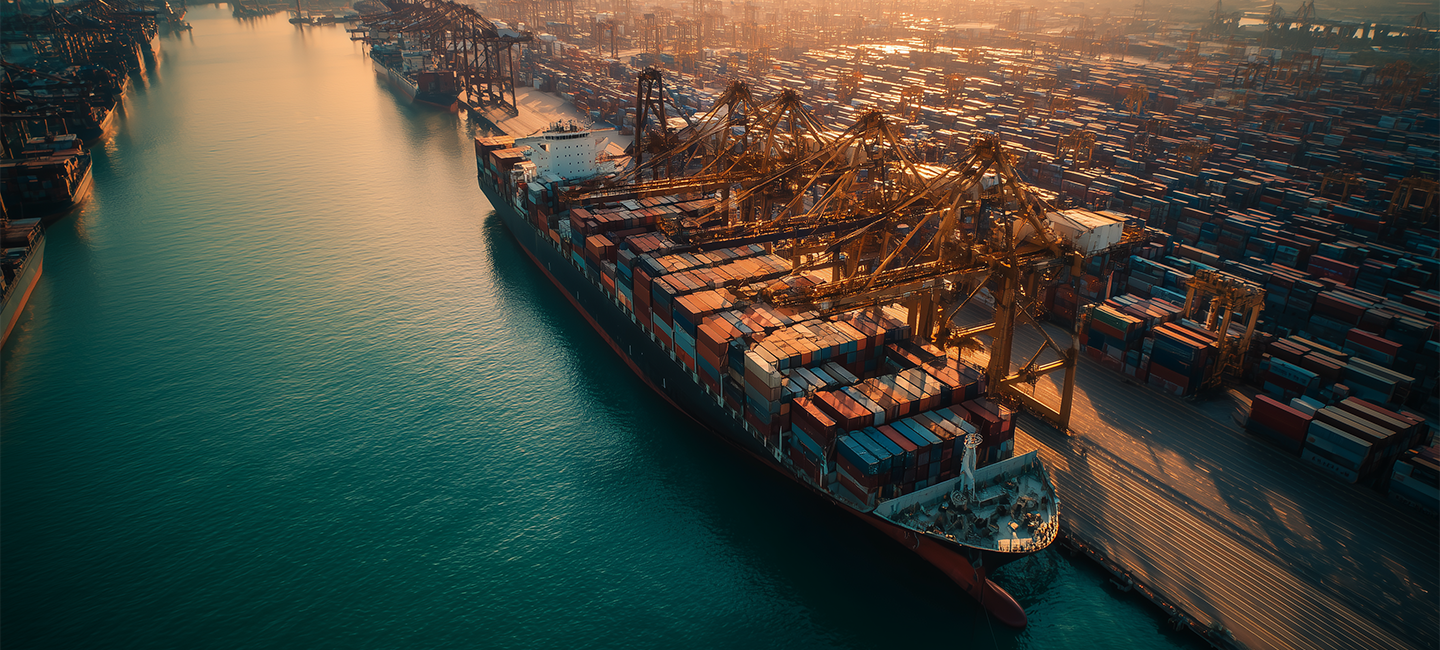
The Freight Talk Nobody’s Having

Freight, when heard the word, is often misunderstood because it looks misleadingly very simple.

A truck leaving a warehouse.
A container reaching a port.
A shipment arriving at its destination.

From the outside, it seems like freight is just transportation, an operational step that happens once everything else is decided. But inside a supply chain, freight is rarely that simple. It is where plans are tested, assumptions get exposed, and uncomfortable truths surface quietly.

Freight is not only about moving the goods.
It is about unfolding how the supply chain behaves.

And that is the conversation most people are not having.

Freight as a Window into Freight Industry Challenges

Many of today’s freight industry challenges are not immediate or isolated. They are structured.

These challenges are majorly related to freight execution which are in the form of capacity constraints, uneven infrastructure, regulatory complexity, labour shortages, and shifting trade lanes all converge at one point that is implementation. When something is misaligned in the supply chain, freight is usually where it shows up first.

These challenges often don’t announce themselves loudly. They appear as repeated delays, unreliable routes, or constant firefighting. Over a period of time, freight becomes a pressure point that reflects the real condition of the supply chain, not the version captured in planning documents.

Freight doesn’t create these challenges.
Rather, it exposes them.

The Quiet Reality of Hidden Freight Charges

One of the least discussed truths in logistics is how these costs are actually assembled.

Hidden freight charges rarely appear upfront. They appear later as in the form of maybe demurrage, detention, re-routing costs, documentation penalties, storage fees, or emergency alternatives. If looked upon individually, they might seem manageable, but collectively, they quietly erode margins.

So, what makes these charges difficult to address is that they are rarely owned by a single team or captured in one report. They are rolled out across timelines and departments, making it easy to normalise and hard to trace.

Freight reveals that cost is not just a pricing issue. It is a coordination and planning issue, and hidden charges are often the symptom of deeper inefficiencies.

Reading the Supply Chain Through Global Freight Trends

When freight is looked upon over a period rather than as individual steps, that is, shipment by shipment, patterns begin to emerge.

Global freight trends are witnessed in changing trade routes, uneven lead times, recurring congestion points, and shifts in carrier behaviour. These trends are not forecasted. They are the signs that are created through repetition.

Freight becomes a way to read how global trade is evolving in practice, not in theory. Businesses that pay attention to all these patterns often adapt earlier, not because they predict the future better, but because they observe more closely to what freight behaviour is already revealing.

Understanding Freight Rate Volatility Beyond Price Fluctuations

Freight rate volatility is often reduced to rates which are going up or down. Freight itself tells a more grounded story.

It is known that volatility reflects uncertainty. As fuel price changes, capacity imbalances, geopolitical shifts, and regional disruptions all together influence how these rates reflect. On the other hand, freight exposes how ready a supply chain really is to absorb these fluctuations.

Some systems adjust calmly, whereas others scramble. Freight shows resilience or fragility not in dashboards, but in day-to-day execution. With this,it becomes clear which strategies are flexible and which rely too heavily on stable conditions that no longer exist.

Freight as the First Signal of Supply Chain Disruptions

Most supply chain disruptions do not begin with a major announcement.

They start quietly.

A rolled container.
A missed port window.
A delayed clearance.

Freight carries these early signals.Even before the disruptions are officially recognised, freight patterns begin to shift. Organisations that pay attention gain time, and time often determines whether a response is measured or reactive.

Freight, in this sense, acts as an early-warning system for the supply chain.

The Amplifying Effect of Port Congestion

Port congestion is often described as an external inconvenience, something businesses are forced to endure.

Freight reveals its deeper impact.

Inventory cycles, working capital, customer commitments, and internal coordination is all affected by congestion. It exposes how tightly timelines are designed and how much flexibility actually exists in the system.

Through freight, port congestion stops being just a delay and becomes a reflector for structural vulnerability.

Why Africa Reveals Freight Truths Faster

Certain regions amplify freight realities, and among all the countries, Africa is one of them.

Differences in infrastructure quality, regulatory processes, port capacity, and clearance timelines mean that inefficiencies surface quickly.

And freight in Africa? It truly leaves little room for assumptions. What works on paper is tested immediately in practice.

This does not make the region uniquely difficult. Rather it makes it revealing. The same challenges exist elsewhere, but in Africa, freight exposes them earlier and more clearly, forcing organisations to confront reality rather than relying on optimism.

Turning Movement into Meaning with Shippulse Freight Insights

Freight generates vast amounts of data, but data alone does not create understanding.

Shippulse freight insights focus on interpretation rather than observation. By connecting shipment movement with cost behaviour, delays, and recurring patterns, Shippulse helps businesses understand what freight is actually communicating about their supply chain.

Instead of asking only what happened, the focus is shifted to why it keeps happening. Freight stops being something that teams chase and it starts becoming something they learn from.

This changes freight from an operational burden into a source of clarity.

The Quiet Truth About FreightShippulse freight insights helping businesses
Freight is not just transportation.

It is where decisions are tested.
It is where risk becomes visible.
It is where the supply chain speaks most honestly.

Businesses that often move along freight do not eliminate uncertainty. They understand it much better. And that understanding allows them to build supply chains that are resilient, not because volatility disappears, but because it is recognised beforehand and is managed intentionally.

That is the freight conversation most people never have, but which is needed by every supply chain.
 

The Hidden Math behind Shipping to Africa

If you think shipping to Africa is “freight + customs”. Then wait until you meet the charges that show up only after your container has sailed.
Because the invoice you expect… is rarely the invoice you get.

The untold truth about Exporting

Every Indian exporter… Whether shipping tiles from Morbi or garments from Tirupur or machinery from Mumbai… has said this one line at least once:

“The freight looked okay… but where did the extra ₹80,000 come from?”

And yet, each time you check vessel schedules or book containers or dispatch goods, the same thing happens again:

  • Your rates fluctuate
  • Your timeline stretches
  • Your landed cost increases
  • Your margins shrink

There is a reason for it.
Actually, several reasons.
And most of them are not visible on the quote your forwarder sends.

Today, let’s break down the hidden math. The math behind shipping to Africa from India. The math nobody explained when you booked your first container.

This blog will let you know about that hidden math. Keep reading!

The Myth of “Africa is Nearby” (and why it fools exporters)

On the map, Africa sits right across the Arabian Sea.
It feels close.
It looks close.
But logistically?

Africa is one of the most complex shipping destinations.

While Europe runs smoothly. Digital customs, deep ports, predictable berthing. And Africa is a mix. Mix of:

  • Markets growing at lightning speed
  • Demand that never slows down
  • India & Africa trade bonds deepening
  • Ports that test your patience
  • Automation yet to catch up
  • Local fees that change overnight

This creates a pricing structure where distance has zero link to cost.

Exporters from India often compare:

  • Rate to Dubai
  • Rate to Antwerp
  • Rate to Durban or Tema

…and ask:

“Why is Africa more expensive?”

The answer lies in the hidden layers.

Africa Freight Costs have Layers

Africa freight costs have layers but your invoice only shows one.

When you receive a freight quote… you mostly see one number:

Ocean Freight Africa – USD per container

But here’s the real equation behind that number:

Base freight

  • Bunker adjustment
  • Peak season surcharge
  • Container imbalance Africa fees
  • Congestion surcharge
  • Port handling charges
  • Documentation costs
  • Local delivery + customs nuances

Now read that again.

Eight cost components…
…but exporters mostly see one.

This is exactly why Africa freight costs surprise first-time shippers.

Let’s open some of these up.

Ports decide your profit not the ocean

When exporters plan shipments, they think:

“The ship will take 20 days, the rate is fixed, the job is done.”

But the real thing begins when the vessel reaches Africa.

Some ports like Durban, Mombasa, Tema and Lagos are under constant pressure. Pressure of:

  • Limited berths
  • Manual handling
  • Slow customs queues
  • Heavy inland traffic
  • Unpredictable strike cycles
  • Equipment shortage

Result?

Containers wait.
And when containers wait, exporters pay.

This delay directly increases your:

  • Demurrage
  • Detention
  • Warehousing
  • Local delivery
  • Clearing fees

And suddenly your “great” freight rate loses meaning.

This is why landed cost Africa often shocks SMEs. It includes many numbers beyond shipping.

General Rates vs Africa Reality

Every exporter has compared quotes and thought that “Europe is farther. Why is Africa costlier?”

Here’s why:

Cost Component Europe / Middle East Africa
Tech-enabled ports ✔️ ❌ in many
Predictable handling fees ✔️
Faster customs ✔️
Digital documentation ✔️
Congestion Moderate High
Inland infrastructure Strong Weak in some regions

Africa is not costlier because it is far. Africa is costlier because it is complex.
More manual steps → More time
More time → More charges
More charges → More landed cost

Complexity = Cost.

Container Imbalance

This is the silent cost nobody mentions

This is the part exporters find most frustrating. More cargo leaves India than returns from Africa. This means empty containers must be repositioned.

Guess who pays for that reposition?

Not the shipping line. Not the African importer. You do.

This is what creates container imbalance Africa surcharges. Sometimes this alone adds $150-$400 per container.

Hidden Shipping Costs that hurt Indian Exporters the most

We have all had that moment when a forwarder sends “revised charges.”

Below are the real hidden shipping costs exporters rarely calculating upfront:

1. Extra handling fees in Africa

Some ports use more manual labor → higher charges. This is due to limited mechanization.

2. Congestion & berthing delays

Peak season delays = more demurrage + more detention.

3. Inland African movement

High fuel cost + bad roads + local checkpoints = very expensive local delivery.

4. Documentation lapses

Wrong COO or missing fumigation or delay in Form M? You will pay to correct it.

5. Currency fluctuations

Some African currencies fluctuate wildly → settlements shrink. This is what creates the “Why did the cost jump?” shock.

Landed Cost Africa

Why it is not your forwarder’s fault

Exporters often blame shipping lines or forwarders. But…

Your freight partner controls one part of your price. And Africa controls the rest.

Your landed cost depends heavily on:

  • Local customs policies
  • Port congestion cycles
  • Hinterland logistics
  • Tariff changes
  • Vessel rerouting
  • Market demand

Your forwarder cannot control customs queues. Be it in Lagos or vessel traffic in Mombasa. So, what you can control is your planning, timing, documentation and negotiation.

Real-life Math

How a Shipment becomes Costly

Let’s calculate.

You book a container to Tema at $1,600 ocean freight

But here’s what happens in real life:

  • THC (India + Africa): $220
  • Clearance + port fees: $150
  • Container imbalance: $180
  • Congestion surcharge: $100
  • Demurrage: $90
  • Trucking inside Ghana: $180
  • Misc documentation: $30

And your real cost becomes $2,550. Exporters who do not calculate the “true” landed cost Africa often sell at thin margins and lose profitability.

How global politics changed the math

Red Sea disruptions, fuel increases and capacity shortages have forced vessels to take longer routes.

Longer route = higher fuel
Higher fuel = higher ocean freight
Longer transit = more congestion at arrival
More congestion = more hidden costs

This domino effect made Africa lanes unpredictable.

Exporters who understand this math survive. Those who don’t get bill shocks.

How exporters are solving this

Leading exporters now use ShipPulse Africa Shipping insights. Those are for:

  • Better capacity prediction
  • More accurate landed cost modelling
  • Route comparison between East vs West Africa
  • Avoiding congestion-heavy ports
  • Consolidated planning
  • Low-cost window identification

ShipPulse users have reduced cost overruns by:

  • Choosing alternate ports
  • Avoiding unnecessary rerouting
  • Minimizing documentation delays
  • Negotiating better with carriers
  • Monitoring congestion cycles weekly

Smart exporters are not trying to control Africa. They are learning how to navigate it.

How you can save ₹₹₹ on Africa Shipments

Actionable Tips

Here’s the exact toolkit African exporters use:

1. Ship earlier than you think

Last-minute bookings cost more.

2. Avoid peak congestion windows

Ghana: September–December
Kenya & Tanzania: July–October

3. Split your risk

Use 2 shippers, not 1.

4. Track real congestion data

Not marketing flyers, actual port load charts.

5. Choose ports with better equipment

Durban, Port Said, Djibouti generally moves faster.

6. Calculate landed cost Africa before quoting buyers

Never finalize a PO based only on freight.

7. Pre-clear documents

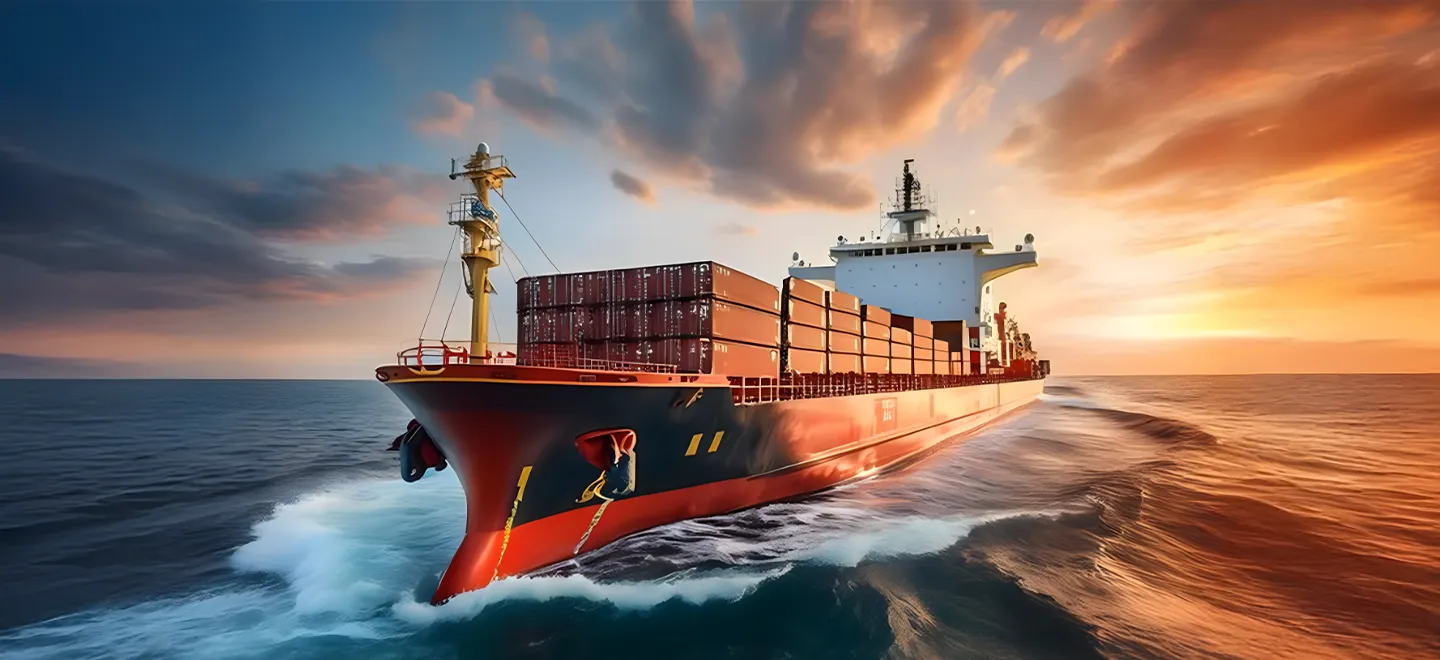
Small paperwork errors cause the biggest losses.Cargo vessel heading toward Africa

In short

Africa is not expensive because it is far. Africa is expensive because it works differently.

Once you understand the hidden math… you ship smarter, you negotiate better and you protect your margins.

Your next profitable shipment does not depend on the distance. It depends on data, planning and smarter decisions.


How Small Businesses Can Negotiate Like Big Shippers (and actually win)

Asked a carrier for a better price and heard the line “Ma’am/Sir, these are standard rates” You know the frustration.

Meanwhile, big shippers walk in, drop volumes you cannot match and walk out with rates you cannot touch.

“You do not need big volumes to negotiate like big shippers. You just need big info.”

No one tells you this. And today, that’s the competitive advantage SMEs finally have access to.

This blog is a simple guide on how to negotiate shipping like you run a million dollar supply chain. Even if you are shipping just a few pallets or parcels a month.

Let’s read.

Why negotiation matters more than ever

Shipping costs are rising globally. Fuel adjustments, general rate increases, surcharges, border regulations. Everything keeps adding up.

Small businesses are already fighting margin pressure. Their every rupee saved on logistics goes straight to profit. That’s why small business shipping negotiation is no longer optional. And with tools such as shipping analytics for rate negotiation, even SMEs can negotiate from a place of strength and not hope.

Big shippers walk in with:

  • Data
  • Volume
  • Leverage
  • Negotiation teams

Small businesses walk in with:

  • Hope
  • A current rate card
  • And sometimes… biscuits for the carrier account manager

This was never fair. Until now. But not anymore. Because the biggest equalizer is data.

The unfair advantage big shippers have (and how you can copy it)

Big brands do not negotiate because they are powerful. They negotiate because they are prepared.

Before they even sit with a carrier, they already know:

  • their cost per shipment
  • their lane-wise trends
  • their seasonality patterns
  • their average vs peak weights
  • the carrier’s performance metrics
  • industry-average benchmarks

SMEs rarely have this.

You ask for a discount. They ask you for commitment.
You talk about pain points. They talk about surcharges.

But here you need shipping analytics for rate negotiation to flip the game.

For the first time, small businesses can use data instead of guesswork. And this is when carriers start taking you seriously.

Hook yourself to this

Big carriers love small businesses. But only the ones who negotiate smart.

Most small shippers assume that ‘hum chhote hai, hume kya milega?’

But this is totally wrong.

Carriers NEED small businesses. You just have to ask for the right things in the right way.

Step 1: Know your own data better than the carrier does

Most small businesses negotiate blindfolded.

They only know:

  • “We’re paying too much.”
  • “Rates increased again.”
  • “Competitors get cheaper rates.”

But they do not know their real numbers.

To negotiate like a big shipper, you must know:

  • Your average cost per shipment
  • Your top 3 shipping lanes
  • Your peak season volume
  • Your parcel mix (weight brackets)
  • Your monthly shipping trend
  • Your carrier performance issues

This is where ShipPulse shipping cost savings tools help SMEs.

Step 2: Benchmark against Industry Rates

Carriers have a massive advantage. They know what everyone else is paying for. But SMEs don’t know.

That’s how they convince you that a 4-6% increase is “standard.”

But once you have benchmarked data, everything changes.

It is possible when you know:

  • what other SMEs pay
  • how your route compares
  • how your shipping category behaves
  • what typical contracts include

…you stop accepting what they offer and start demanding what you deserve.

This is how ShipPulse carrier negotiation support equips small businesses by giving them the same visibility large shippers use.

Step 3: Understand the carrier’s incentives (the part nobody teaches)

Carriers do not give discounts because they are generous. They give discounts because it benefits them. You win negotiations when you understand their motivation.

The motivations are:

1. Consistency > Volume

You may not ship 10,000 parcels a month. But if you ship 300 consistently, month after month. Then it is valuable.

2. Low-effort shipments

Carriers prefer:

  • predictable lanes
  • regular pickup times
  • low-risk items
  • stable businesses

If you match these patterns, highlight them.

3. Growth potential

Sharing your expansion plans gives you leverage even if you are small. This is exactly what smart SMEs do. They secure better parcel carrier negotiation outcomes.

Step 4: Come with a Proposal instead of request

Big shippers never ask for discounts. They propose contracts.

Here’s how you can do it too, even as an SME:

1. “If we maintain X volume per month, we expect Y rate.”

2. “If we reduce pickups to 3 days/week, can we eliminate the pickup fee?”

3. “If we pre-sort shipments, can you reduce the zone surcharge?”

4. “If we give you lane exclusivity, what discount can you offer?”

Most SMEs simply say that “can you give us a better rate?”

But negotiators say that “here is the structure that works for both of us.”

This completely changes the tone of the conversation.

Step 5: Use performance data to push back

Your contract should not just be about price. It must include:

  • On-time delivery %
  • Lost/damaged shipment claims
  • Response time for escalations
  • Surcharge transparency
  • Seasonal rate freeze

If a carrier fails on these KPIs… you can re-negotiate anytime.

SMEs with good reporting from shipping analytics for rate negotiation use these numbers as a benefit:

“Your on-time delivery dropped 8% in the last quarter.
We need rate revisions reflecting actual performance.”

And… the conversation shifts.

Step 6: Do not negotiate line items. Negotiate the entire structure

This is the mistake that small businesses make all the time.

They try to reduce:

  • base rate
  • fuel surcharge
  • remote area charge
  • handling fee
  • minimum billable weight

Instead, negotiate a bundle.

Carriers are far more flexible when you combine items.

For example:

  • Slight increase in fuel surcharge
  • But major reduction in zone charges
  • A cap on peak-season surcharges
  • Volume-based rebate every quarter
  • This is exactly how pros secure cost-efficient contracts.

Step 7: Always keep an alternative ready

Carriers negotiate seriously when they know you have options.

Even if you do not plan to switch, always gather:

  • 2 comparative quotes
  • 1 alternative service provider
  • 1 hybrid model (sea + air, air + express, etc.)

This strengthens your position without needing to threaten.

Step 8: Use tech to prove you are not a “Small Account”

To carriers, small accounts mean:

  • unpredictable
  • unorganized
  • inconsistent

But when you use tools for:

  • shipment planning
  • volume forecasting
  • historical analytics
  • lane analysis
  • automated documentation

…your business starts looking “enterprise ready.”

This is when ShipPulse carrier negotiation support gives SMEs a big shipper feels. Big shippers do not win because of the size. They win because of the structure. Now you have the structure. And now you can too.

Step 9: Lock long-term & review short-term

The smartest SME negotiation approach:

Lock multi-year contracts

(but…)

Review surcharges every 6 months

This keeps your base stable while protecting you from new add-ons carriers quietly push every quarter.

Step 10: Add performance bonuses

Do what big companies do:

  • If your volume crosses X, then you get a Y% rebate.
  • If carrier on-time delivery stays high… you extend exclusivity.

Make negotiations on a two-way street. Everyone wins.

Why this matters NOW more than ever

Shipping costs can decide your profit.
A difference of ₹8-₹12 per parcel can make or break your year.

Big shippers know this.
Small businesses feel it.

But now you are armed with:

  • Data
  • Scripts
  • Strategy
  • Negotiation structure

A mini playbook you can use tomorrow

Here’s a simple script small businesses have used successfully:

We are exploring options to optimize our shipping. Shipping for small businesses. We believe that there is room to improve alignment between performance and pricing. It is based on our data and benchmarks. We are ready to guarantee consistent monthly volume and operational predictability.

If we can work together on a revised structure that includes better zone charges, transparent surcharges and performance-linked pricing, we’d be happy to maintain exclusivity for the next 12 months.

By doing this you don’t sound small. Instead, you sound strategic.Container ship navigating rough

Final Takeaway

You are not a “small client.”
You are a growing client, and carriers love that.

Negotiate with confidence.
Speak in numbers.
Split the cost structure.
Benchmark everything.
Review quarterly.
And never walk into a negotiation without leverage.

Now you know how to negotiate like big shippers.

And more importantly… how to win like them.


The SME survival guide to freight costs 5 numbers you can’t ignore

Running a small business is like sailing against strong winds. One minute you are celebrating a new client. Next second you are staring at a freight invoice by thinking the expense is high.

Across India, small and medium enterprises (SMEs) are facing the same issue. The issue of rising small business shipping costs, unpredictable surcharges and confusing international shipping rates.

But the truth is that while you cannot control global trade winds, you can learn to sail smarter.

In this guide, you will know about 5 key numbers that every SME should track. These numbers can silently decide that your export venture will thrive or just survive.

1. Your “Freight-to-Revenue” Ratio

This is the number that tells you how much of your revenue is being swallowed by shipping. A healthy ratio for most SMEs is 10+15%. It depends on the product type and destination.

Let’s say that your business earns ₹10 lakh in monthly exports. And your shipping expenses total ₹1.5 lakh. This is a 15% freight-to-revenue ratio.

Manageable? Yes.

But if that ratio quietly climbs to 25%, your profits could sink and you would not even realize.

Tip: Build this ratio into your monthly review dashboard. Even a 2% improvement can increase your yearly profit margins by 5-6%.

2. The true cost per kilogram (not just freight)

Many small exporters focus only on quoted freight rates. For eg, $2.50 per kg but forget that freight rate calculation does not include the “hidden extras.”

Terminal handling, customs documentation, insurance, local trucking and last-mile delivery. All these stacks up fast.

When you add them, your international freight shipping cost might actually be $3.10 per kg. Instead of $2.50. That 60¢ difference multiplied by 10,000 kg per shipment? You have just lost ₹5 lakh in silent costs.

To avoid this, calculate your total landed cost per kilogram. It includes every fee until the goods reach your buyer. This number alone can expose unnecessary leaks and help you optimize your supply chain.

3. Transit Time Variance (TTV)

TTV is simply the difference between promised delivery time and actual delivery time.

  • Promised: 15 days
  • Actual: 20 days
  • Variance: +5 days

A TTV of more than 3-4 days might seem harmless. But it can ruin your inventory rhythm. Especially when you manage tight warehouse schedules.

When your goods arrive late, your buyers’ shelves stay empty. And their next purchase from you may shrink. And this is where supply chain optimization comes in help.

You can identify unreliable routes or carriers by tracking TTVs across your shipments. Over time, this approach helps you in picking partners that actually deliver on time instead of just promising.

Tip: Work with freight partners who provide real-time tracking. Visibility reduces both stress and delays.

4. Your Container Utilization Rate (CUR)

If you have ever shipped half-empty containers… then, you have literally sent your profit margin on vacation.

Your CUR measures how you are using available space.

  • Container capacity: 28,000 kg
  • You shipped: 22,000 kg
  • Utilization: 78%

That 22% gap could mean thousands of rupees wasted. That is the money you are paying for unused air.

The solution to it is smarter consolidation. Many SMEs are saving big through shared freight or freight cost reduction initiatives. Here shipments are grouped with others headed to the same destination.

If you are regularly shipping less than full-container loads (LCL) then, ask your logistics partner about consolidation programs. You will pay only for the space you actually use.

5. The “Delay Penalty” Multiplier

This one is sneaky.

Every delay comes with ripple effects that multiply costs.

Missed deadlines mean demurrage fees. Overtime pays for warehouse staff and sometimes even lost buyers. You might not see it on your invoice. But the delay penalty can quietly inflate your logistics budget by 10-20%. That’s why proactive freight cost management is about negotiating rates. Along with that, it builds systems that prevent delays.

Keep a log of all delayed reasons and categorize them. It includes documentation, customs, weather, carrier, etc.

Over a few months, you will spot patterns. And that is the time when you can fix the real issue.

The Human Side of Freight

No SME owner started their business to become a logistics analyst. But in today’s trade climate… knowing how freight works is part of staying profitable.

Global international shipping costs are no longer predictable. The freight rate calculation process changes. It changes with every oil price surge, political event or port regulation.

So, what is the way forward?

Step 1: Build transparency

Request a complete quote. The quote should include inland transport + customs fees + port handling + surcharges. This prevents sudden surprises. Reliable partners share a cost breakdown upfront. This helps SMEs make informed choices.

Step 2: Compare modes not just rates

Sometimes, switching from air to sea (or vice versa) is not about speed. It is about balance. If someone is exporting lightweight but high-value products, then air freight might be costly. But it avoids port delays and inventory pileups.

For heavier cargo, shipping for small businesses via sea freight usually brings better ROI.

Run the math. Compare both cost and delivery timelines before booking. That is called smart freight cost management.

Step 3: Make Data Your Co-Pilot

Every shipment teaches you something.

It is not difficult. When you start seeing logistics as a measurable and improvable process. You stop reacting and start strategizing.

A quick reality check

Global trade is not simpler. Oil prices, conflicts like the Red Sea crisis and rising port congestion. These have made international shipping rates swing wildly.

But SMEs that track the right metrics and choose transparent partners are weathering the storm better than ever. It is because it is not about predicting the market. It is about preparing your business.

The exporters who survive are not the biggest. They are the ones who adapt fastest.

The ShipPulse’s way forward

At ShipPulse, we have worked with hundreds of SMEs. They have once struggled with fluctuating freight bills. At that time, our approach was simple. We brought clarity and control back into your shipping decisions. We help small businesses ship smarter.

After all, great logistics is about moving your business forward with confidence.

RememberContainer ship at sea with CTA text promoting smarter freight cost management

The five numbers you track today will decide the profits you keep tomorrow.

Stay curious. Stay in control.
And keep your freight costs sailing smoothly.


From Ahmedabad to Accra: Real costs of Shipping to Africa (and how to save ₹₹₹)

Your shipment has left Mundra.

You track it every few hours by zooming in on that little blue dot slowly inching across the Arabian Sea.

A few weeks later, it finally reaches Accra, Ghana. Safe, intact and on time. You are happy until you open the bill.

Wait… how did the total amount jump from $1,800 to $3,000 / container?

This will sound familiar to many exporters shipping from India to Africa. Especially for those who are shipping from Ahmedabad, Morbi or Mumbai to African ports.

Let’s see what’s behind these numbers. And how smart planning can save your ₹₹₹ on every shipment.

The India-Africa trade story

India’s connection with Africa is not new. It is centuries old. Today, it is stronger with billions worth of goods moving between two continents each year. Be it textiles and ceramics in Gujarat or pharma and machinery from Maharashtra. Africa remains one of the fastest growing export destinations.

But shipping there is not as simple as ‘load and send.’ Whether it is sea freight Ahmedabad to Accra or container shipping India to Ghana, the real cost often hides behind line items you rarely notice until the invoice arrives.

So, what makes shipping to Africa expensive?

You are not just paying for the container and ocean freight. You are paying for the entire journey and every small stop in between.

Here is what typically stacks up the cost:

1. Freight base rate

This is what shipping lines quote per container. It varies by route, cargo type and season.

2. Fuel adjustment factor (FAF)

As oil prices fluctuate, this surcharge changes every month.

3. Terminal handling charges (THC)

Paid both at the Indian and African ports for container loading / unloading.

4. Destination charges

At African ports, customs and clearance can add unplanned fees. Especially in West Africa, where custom duties Africa imports can differ from port to port.

5. Demurrage & Detention

Your container stayed longer than the ‘free period’? You will pay for every extra day.

So, when you thought that you were paying for distance, you are actually paying for delay.

The West Africa equation is to pay more, wait more

If your cargo is headed to Ghana, Nigeria or Senegal… welcome to the zone of port handling charges Nigeria Ghana that no one talks about.

Most Indian exporters assume it is cheaper than Europe. But in reality, it is not.

Why?

  • Bottlenecks are caused due to limited port capacity in Lagos and Team.
  • Customs inspections take time. And it often results in higher handling fees.
  • Currency fluctuations affect inland delivery prices.

A ceramic exporter from Morbi recently shared:

“We booked 20 containers to Tema. Freight was $2,100 each. But after port delays and local charges, it became $2,850 per box. We could have shipped to Europe for less.”

This is the reality of shipping costs India to West Africa. High and unpredictable.

East Africa is not far behind

East Africa shipping delays are the main pain point. It is for exporters sending goods to Kenya, Tanzania or Ethiopia.

Ports that are growing fast are Mombasa and Dar es Salaam. But so is congestion. Ships often wait for berthing space. Especially during peak seasons.

A textile exporter from Ahmedabad recently shared:

“My shipment used to take 22 days door-to-door. Now it takes 35 days. The delay costs me two weeks of working capital every month.”

These shipping delays West Africa and East Africa directly by affecting profitability.

Hidden costs nobody talks about

Here are five costs that Indian exporters overlook while shipping to Africa from India:

1. Container imbalance fees

More cargo leaves India than returns, so shipping lines charge extra for empty repositioning.

2. War risk or route surcharges

Carriers add premiums even if your ship does not cross that region. Especially post Red Sea disruptions.

3. Inland transport in Africa

Roads, customs, checkpoints and poor infrastructure make last mile delivery slow and costly.

4. Currency conversion losses

Some African countries have unstable exchange rates. What you invoice is not always what you receive.

5. Documentation delays

Missing or incorrect certificates like fumigation or COO can hold cargo at customs for days.

Add them up and suddenly, your ₹20 lakh order feels like ₹18 lakh revenue after deductions.

What Indian exporters are doing differently

When shipping lines raise rates, you cannot control global markets. But you can control how you move your goods.

Here is what smart exporters do to manage freight rate 2025 India Africa:

1. Consolidating shipments

Instead of sending 10 small consignments, they combine them into 3-4 larger ones. Those are to save on handling and documentation fees.

2. Exploring alternate ports

Some exporters now use Nava Sheva or Pipavav. That is for better vessel connectivity to African costs.

3. Building long term ties with freight partners

Negotiating contracts for multiple shipments instead of one-time deals helps lock in rate.

4. Tracking real time freight indexes

Staying updated on shipping costs comparison India Africa to book smarter.

5. Adding transit insurance

One storm or route delay can cost more than the insurance premium itself.

Numbers that matter

Have a quick look at India to Africa by ship price (average per 20-ft container):

Route Normal Transit Pre-Crisis Rate Current Rate Avg. Delay
Mundra – Mombasa 18 days $1,500 $2,400 10 days
Nava Sheva – Tema 22 days $1,900 $3,100 12 days
Pipavav – Durban 25 days $2,200 $3,600 15 days

It is clear that even with alternate ports, India to Africa export challenges remain significant.

Small fixes, big savings

Below are three ways to bring those costs down:

1. Plan ahead

Book shipments 2-3 weeks before vessel cutoff dates. Spot bookings often come with premium charges.

2. Monitor container availability

Shortages are common near festive seasons in Africa. Early booking ensures that you have avoided peak rates.

3. Review your supply chain every quarter

Switching to a single transit hub can save you money. It will be saved up to ₹40,000 per container.

Keep in mind

Trading globally is a mixed bag. Volatile fuel prices, shipping delays due to the Red Sea conflict and changing tariff policies. These have made route planning a skill and not a choice.

Many logistics firms including ShipPulse Import Solutions are helping exporters model these real-time shifts with forecasting rates, comparing routes and optimizing loads.

Those who plan better will ship better.

Final thought

Shipping from Ahmedabad to Accra is not just about sending goods. It is about moving value across oceans.

Yes. The costs are real. But so are the solutions.

If you track smarter, consolidate better and stay connected with reliable logistics partners, you will turn every shipping challenge into a competitive edge.

Connect with ShipPulse & simplify your next Africa shipment.


How the Red Sea Crisis changed shipping to Africa? See what Indian exporters should know

The goods were ready. The buyer was waiting. The ship had left Mumbai. But then, somewhere in the middle of the Red Sea, everything slowed down.

If you have been exporting goods from India to Africa, then you might relate with the above statement. The Red Sea crisis shipping disruptions have changed the way cargo moves. And for Indian exporters, Africa is one of the biggest markets at stake. The route that was once easy has become complicated, costly and full of delays.

Let’s see what exactly happen and how it has changed the flow of goods. Further, let’s know what an Indian exporters Africa trade needs should keep in mind to stay competitive.

Why the Red Sea matters so much?

The Red Sea is a lifeline. Roughly 12% of global trade passes through it. And for India, it is the shortest route to African markets. When someone is sending cargo shipping to Africa from India, vessels usually pass through the Arabian Sea. Then, enters the Red Sea via the Gulf of Aden, cross the Suez Canal and then move towards West or East African ports.

But the conflict in the Red Sea has forced ships to reroute. Instead of a 20-22-day journey, many carriers now sail around the Cape of Good Hope. This adds 10-15 extra days. This means shipping delays Red Sea conflict are inflating costs.

Story from an exporter’s perspective

Let’s take the example of a textile exporter from Surat, Rajesh. For years, his fabrics found buyers in Kenya and Tanzania. Shipments that once took three weeks are now taking over five. His freight forwarder recently told him that sir, your goods will reach Dar es Salaam. But not before another two weeks. And the freight rate has doubled since last year.

Exporters like Rajesh are not alone. Thousands of exporters are dealing in pharmaceuticals, machinery, auto components and textiles. They are all facing the same reality. The dream of smooth India to Africa by ship trade has hit rough waters.

The real impact of costs and delays

See what is happening in practical terms:

1. Freight rates are up

Freight chargers have nearly doubled for some corridors. It is because of longer routers and higher fuel consumption. For example, the India to Africa by ship price that were once hovered around $2,000-$2,500 per container is now inching closer to $4,000-5,000. This depends on the destination.

2. Transit times have increased

The time which took around 20 days is now taking 30-35 days. That is nearly a 50% increase in lead times. This is a nightmare for perishable goods. It leads to more spoilage, missed deadlines, extra costs of storage and unhappy buyers.

3. Insurance premiums have risen

The Red Sea has been labeled a high-risk zone. With that label, war risk surcharges and insurance premiums have spiked. Shipping companies now face increased operational costs. Along with rerouting challenges, heightened security measures and delays.

4. Uncertainty has become the norm

Even if your goods leave on time, congestion at ports in East Africa, shipping delays or customs backlogs in port congestion Africa. This can cause further unpredictability by disrupting schedules and inflating costs. It even strains supply chain resilience.

East Africa vs. West Africa: Different Costs, Same Problem

1. East Africa Shipping Delays

Some countries in Africa rely heavily on imports. Shipments often arrive late with rerouting. This causes backlogs at these ports. Exporters supplying machinery or raw materials are facing customer frustration as construction projects stall.

2. West Africa Import Costs

For markets like Nigeria, Ghana and Ivory Coast, the story is different. The delays are bad. But the bigger shock is in costs. Already expensive ports in West Africa have added new handling fees. And congestion charges are common. This makes West Africa import costs one of the steepest challenges for exporters today.

Why Indian exporters can’t ignore this

Africa is one of India’s fastest-growing trade partners. The total bilateral trade crossed $100 billion in recent years. The demand for Indian pharmaceuticals, machinery and textiles is rising steadily.

Africa is the entry point into global trade for many SMEs. But with the shipping challenges, Indian exporters risk losing buyers to faster moving competitors from China, Turkey or Europe.

This is why staying informed and agile is not a choice. It is survival.

Hidden costs nobody talks about

Beyond freight and insurance, here are some “silent costs” exporters are quietly absorbing:

1. Demurrage & Detention

Containers stuck in African ports are racking up storage charges.

2. Local Transport

Inland trucking prices in Africa have spiked because cargo is arriving late and in bulk.

3. Opportunity Costs

Delayed shipments = delayed payments. For exporters relying on working capital, this cash flow gap can hurt operations.

How exporters are coping

Some exporters are finding creative ways to adapt.

1. Exploring alternate routes

Instead of relying solely on the Red Sea… some are looking at transshipment hubs in Dubai or Oman. That is to split journeys.

2. Consolidation of Cargo

Grouping smaller shipments into larger consignments reduces per-unit costs. Especially for Africa-bound goods.

3. Better Forecasting

Exporters are planning shipments weeks earlier than before. Forecasting demand is helping them reduce the impact of delays.

4. Collaboration with Local Agents

Stronger ties with clearing agents. In Africa, it means faster customs clearance. This minimizes port delays.

Government and industry response

India is not just sitting. The Indian government has been actively monitoring the situation. Some efforts are underway. Efforts to increase domestic shipping capacity. Efforts to create more resilient trade corridors. Initiatives like SAGAR Mala (port modernization) and stronger ties with East African nations aim to provide long-term relief.

At the same time, industry bodies are pushing for subsidies or financial support. It is for SMEs impacted by the crisis. The goal is to ensure Indian exporters Africa trade does not lose its edge.

What exporters should do now?

They should know to:

1. Stay Updated

Follow reliable sources for alerts on Red Sea crisis shipping and port conditions in Africa. Many freight forwarders provide weekly updates. It can guide shipment planning.

2. Recalculate your Costs

Do not assume that last year’s pricing still works. Update your quotations. That is to include insurance, handling and longer transit times. Buyers appreciate transparency. It prevents last-minute shocks.

3. Diversify Markets & Routes

Consider exploring alternate regions or splitting orders across multiple routes. This cushions the risk.

The road ahead

The Red Sea crisis has reshaped global shipping. And Africa sits at the heart of this change. For India, the stakes are even higher. It is because the continent is not just a trade partner. It is even a growth partner.

Yes. There will be shipping challenges Indian exporters must endure. From port congestion Africa to rising West Africa import costs. But with resilience and strategy, Indian exporters can still make Africa a profitable and sustainable market.

The fact is that shipping routes may change. Costs may rise. But demand for Indian goods remains strong. Medicines, textiles, auto parts and machinery are still needed in Nairobi, Lagos, Accra and Dar es Salaam. The question is who will adapt fastest?

Final Thought

The Red Sea crisis has turned the calm waters of trade into stormy seas. But history shows that Indian businesses are nothing if not adaptable.

So, shipping delays Red Sea conflict may test patience and margins. They also open doors to innovation. The exporters who reimagine logistics today will be the ones leading tomorrow.

In the end, shipping is about moving trust, reliability and opportunity. And for those committed to shipping to Africa from India… every challenge is just another wave to ride.


Why your Import Bill might be higher this year: A guide to 2025 Tariffs

Your shipment arrived, but your wallet didn’t smile?

Your import bills are higher than usual?

Then, 2025 tariffs are the reason. This year, changes in global trade, rising tariffs and unpredictable shipping costs are making shipments more expensive than ever.

If shipping is part of your day-to-day, then, a little awareness now can save you time and money later.

What’s happening with Tariffs?

The big story is U.S. tariffs. In 2025, the United States increased electronic import duties US on many products. Especially from India. Some tariffs are now as high as 50%. Certain electronics and car parts tariffs 2025 have increased. This has pushed import charges in India higher than usual, particularly for electronics and car parts.

This matters because:

  • Your costs go up and imports become pricier.
  • You may need new suppliers as businesses are looking for cheaper alternatives.
  • Prices for customers may rise because some of the cost is passed on.

Example: If you import electronics worth $100,000, a 25-50% tariff increase could add $25,000-$50,000 to your costs. Smaller businesses importing raw materials can feel the impact. Sometimes in just one shipment.  

Tip: One should always check the latest customs duties India 2025 schedules. That also before confirming a shipment. A small percentage change can make a big difference over multiple orders.

Shipping costs are not helping

It is not just tariffs. Shipping itself is unpredictable. Container rates have recently dropped. Drewry’s World Container Index shows a 6% decrease. But things are still volatile.

Why?

  • Fuel prices keep changing
  • Ports are crowded and busy
  • Conflicts or political issues can force ships to take longer routes

Many Indian businesses rely on Africa for exports. Shipping delays and extra route costs can significantly impact on your import bill. Many African ports have limited infrastructure. Especially, West Africa and East Africa have limited infrastructure. This can cause longer waiting times. It can also lead to higher handling charges.

Example: A shipment to Lagos, Nigeria, may take 3-5 extra days if compared to standard routes. This adds storage and demurrage fees. Similarly, shipments to East Africa, like Kenya or Tanzania. They often face additional port fees or inland transport costs.

Even if tariffs stayed the same, your import bills could still be higher. It is because of these shipping challenges, combined with shipping container rates 2025.

By following Shippulse shipping updates 2025 can help you track real-time changes in container rates, port congestion and route delays. This gives you better control over your import planning.

India’s Response

India is actively taking steps to reduce the impact on businesses:

  • GST cuts make imports slightly cheaper
  • Atmanirbhar Bharat focuses on increasing domestic shipping and ports 

India’s Prime Minister Narendra Modi highlighted that India spends ₹6 lakh crore approx. Annually. India spends it on foreign shipping. It is a huge sum! Strengthening local shipping infrastructure can help in reducing dependence on foreign carriers by keeping costs in check. And it also gives exporters more predictable options.

Shippulse freight insights show that domestic shipping infrastructure is gradually improving.

Practical implications for your business

Below are the three biggest ways these tariff and shipping changes will directly affect your business this year:

1. Higher Costs

Tariffs and shipping charges make goods more expensive. This can shrink profit margins for businesses selling imported products. The profit margins will be cut if you do not adjust pricing or manage costs carefully.

2. Rethinking Supply Chains

You may need new suppliers, routes or ports to save money. African exports require careful planning due to higher freight costs and port handling fees. Some companies have started consolidating shipments to Africa to reduce costs per unit. Insights from Shippulse import solutions can help in guiding smarter supply chain decisions.

3. Strategic Planning

Long-term planning is now important. Monitoring tariff updates, shipping trends and geopolitical risks helps you. It helps avoid surprises. It even adjusts business strategy before costs spiral.

Common Mistakes Importers Make

If you want to stay ahead, then, you need to avoid repeating the common errors. Errors that many businesses make while handling imports. Here are the most common mistakes to avoid:

1. Ignoring tariff changes

Waiting until the shipment arrives to notice a tariff hike? It can lead to unexpected bills. Always check updates from customs authorities, tariff international trade sources or trade news portals.

2. Underestimating shipping delays

Especially when shipping to Africa or other distant markets, ignoring port congestion and reroutes can increase storage costs.

3. Single-supplier dependency

Relying on one supplier / shipping route can backfire. This can occur only if tariffs or logistics change.

Tip: you should keep a list of backup suppliers and consider multiple shipping routes. This is to stay flexible. Freight forwarding strategies can guide this process.

How to reduce the impact? 

Below are the ways to reduce impact. Let’s explore some smart moves. Moves that will help you stay ahead of the curve:

1. Diversify Suppliers

Look for countries with better trade agreements or local alternatives.

2. Negotiate Shipping

Build relationships with logistics partners for better rates and flexible terms. 

3. Stay Updated

Follow trade news and tariff updates regularly.

4. Optimize Inventory

Group shipments and plan inventory. Those are to reduce storage and extra fees.

5. Insurance & Contingency Planning

High-value shipments should be protected against damage. It should even be protected against delays or unforeseen tariff changes.

Looking Ahead

2025 has reshaped global trade. Importing is getting more expensive. And all thanks to rising tariffs, unstable shipping and global tensions. Businesses that stay updated, spread their sourcing and ship smart can keep costs in check. They also stay ahead of others.

Example: Some exporters to Africa have started combining multiple small shipments into one larger shipment. This saves thousands in demurrage fees and local handling charges. While, still meeting customer deadlines.

Key Takeaways

Keep these IMPs in mind before you plan your next shipments:

  • U.S. tariff hikes are raising import costs.
  • Shipping costs are unpredictable. Especially for Africa-bound shipments.
  • India’s GST cuts and local shipping initiatives provide partial relief.
  • Planning ahead, diversifying suppliers and monitoring trade updates are important.
  • Small operational changes, like shipment consolidation or alternative routes can save money.


Final ThoughtImport Tariffs 2025 Cta

Your shipment may have been reached safely. But understanding what drives the cost. By understanding that, it helps keep your wallet happy. To survive through 2025’s trade challenges, one should be informed and flexible. Remember that every journey of import comes with challenges. It also comes with opportunities.

Plan smart, act wisely and let every shipment bring goods + growth + confidence to your business.